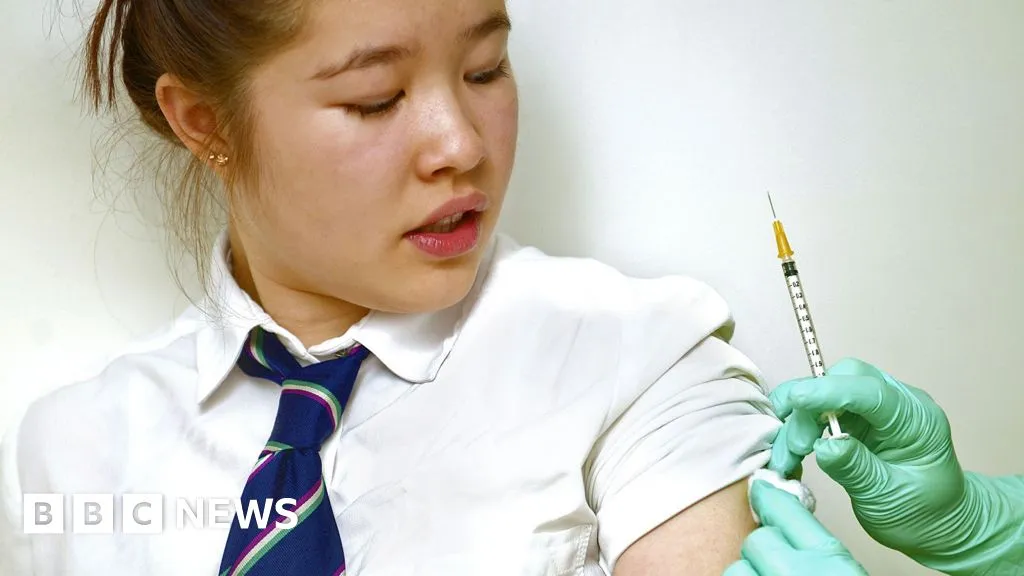
The groundbreaking findings of a recent study have revealed a dramatic decline in cervical cancer death rates among young women, attributing this remarkable progress to the widespread administration of the HPV vaccine since its introduction in 2008. Researchers discovered that girls vaccinated at ages 12 to 13 now face a risk of cervical cancer-related death that is 'close to zero' before the age of 30, transforming the landscape of women's health in England.
Published by a team from Queen Mary University of London, the study documents a substantial reduction in cervical cancer fatalities over the past two decades. It reports that between 2020 and 2024, no cervical cancer deaths occurred among women aged 20 to 24—an unprecedented statistic marking the first five-year period without such tragedies. In contrast, without the vaccination initiative, approximately 23 deaths would have been expected within this demographic.
Critical Insight from Researchers
“It’s incredible to think that a single jab can almost eliminate a particular type of cancer,” stated Professor Peter Sasieni, the lead researcher of the study. This positive trend comes at a crucial time, as cervical cancer remains the 14th most common cancer among females in the UK, with around 3,300 new diagnoses each year. The HPV virus, responsible for an astonishing 99% of cervical cancer cases, spreads primarily through close skin-to-skin contact.
Most HPV infections naturally resolve; however, some can lead to abnormal cellular changes, potentially culminating in cancer years later. The authors of the report predict continued declines in cervical cancer mortality as more women receive the vaccination and vaccinated cohorts advance in age.
A Call for Enhanced Vaccination Rates
Cancer Research UK, which backed this pivotal research, heralded the findings as an “incredible milestone.” However, they urged for an increase in vaccination rates, which are currently lagging below the recommended thresholds. Michelle Mitchell, the organization’s chief executive, emphasized the jab's efficacy, stating, “We know the HPV vaccine is extremely effective at stopping cervical cancer before it starts, and for the first time, these findings show it is saving lives.”
Alexandra Legg's experience underscores the urgency of vaccination. She missed the opportunity for the HPV vaccine, being just out of school when it was introduced. Diagnosed with cervical cancer at 30, her story illustrates the potential ramifications of low vaccination rates. “I’m a real advocate for this vaccine, and when my daughter Ivy is old enough, she’ll be first in the queue,” she asserted, highlighting the significance of early vaccination.
The Road Ahead
Despite the encouraging data, public health officials caution that vaccination efforts must intensify. According to the UK Health Security Agency, vaccination rates for girls aged 15 hit only 76% in 2024-2025, significantly short of the 90% coverage recommended by the World Health Organization for the successful elimination of cervical cancer.
“It’s essential that the UK Government and health systems urgently address this with targeted action to reach communities where uptake is the lowest,” said Michelle Mitchell from Cancer Research UK. Although girls have received the HPV vaccine since 2008, boys have also been included in the vaccination program since 2019, protecting them against various forms of cancer, while also helping curb the virus's transmission rates.
In light of these findings, the UK government aims to eliminate cervical cancer as a major public health issue by 2040. As the implications of the study resonate throughout the health community, awareness and advocacy for vaccination remain pivotal in ensuring the future safety of young women.
Source: BBC News
Source: BBC News - Health