In a remarkable breakthrough for lupus patients, an experimental immune reset therapy has led to symptom remission without the need for medication, sparking hope across the medical community. Early trials conducted at University College London Hospitals reveal that most participants, including one patient, have experienced significant improvements in their quality of life, raising anticipatory discussions for similar treatments for other autoimmune disorders.
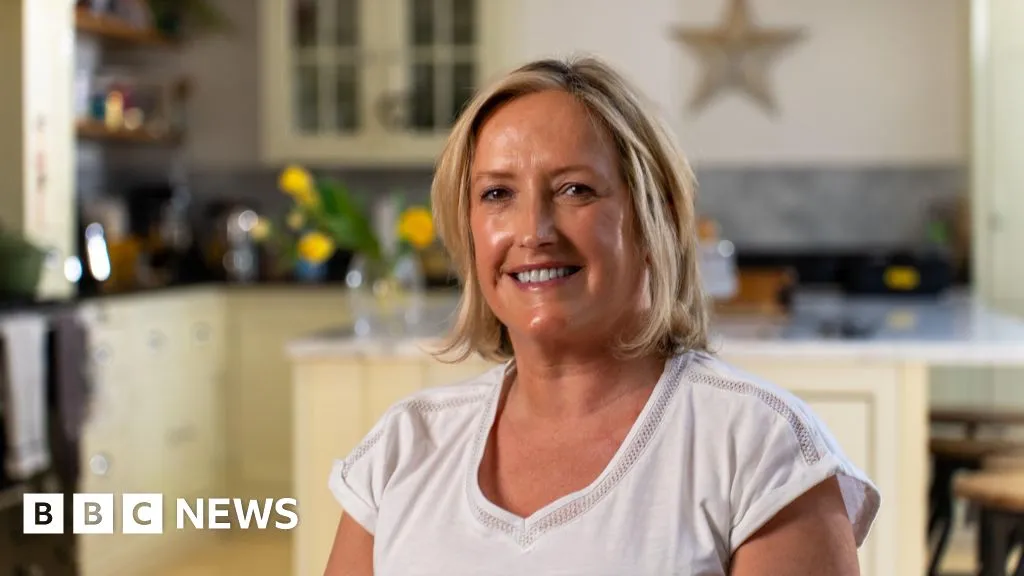
Katie Tinkler, one of the pioneering recipients of this trial treatment, proclaimed she had "never been this good" since her lupus diagnosis 30 years ago. Once grappling with debilitating flare-ups that hindered her ability to engage with her children, Katie now finds herself skiing and living medication-free. Lupus, a condition that affects approximately 50,000 people in the UK, involves a dysfunctional immune response that assails the body's own tissues, manifesting as joint pain, organ damage, and severe fatigue.
Transformative Treatment Brings Renewed Hope
Women are disproportionately affected by lupus, with 90% of diagnoses occurring in young adults. For Katie, who was diagnosed at the age of 20, the journey has been anything but easy. Despite maintaining an active lifestyle as a fitness instructor, she relied on medication to manage unpredictable flare-ups, which would leave her unable to perform even the simplest daily tasks.
"At its worst, lupus left me bedridden, utterly powerless and facing mortality. Now, I'm truly living," she shared, embodying the relief afforded by the recent treatment.
A New Paradigm in Immune Therapy
This revolutionary approach describes a process termed CAR-T therapy, wherein a patient’s T-cells are genetically engineered to target and eliminate rogue B-cells that contribute to autoimmune dysfunction. Following rigorous planning, numerous T-cells are modified in a lab, transforming them into agents capable of restoring immune balance by destroying both damaged and healthy B-cells. As a result, the body's immune landscape is reset, allowing new, healthier B-cells to emerge.
Katie underwent this groundbreaking procedure in November 2024, alongside a chemotherapy regimen to ensure acceptance of the modified cells. Her recovery has been nothing short of astonishing: "I can now expect to live a long life with fully functioning kidneys, which is remarkable. My heart and lungs are healthier, and a previous blood disorder is gone," she exclaimed, reflecting on her renewed vitality.
Vigilance Required for Long-Term Success
Of the initial six patients treated, five remain in remission, while one reported improved symptoms despite experiencing a flare-up after nearly a year. Data presented at the EULAR European Congress of Rheumatology indicated that participants have maintained well-being for over 18 months post-treatment.
Yet, experts caution that the durability of these results remains uncertain. Dr. Maria Leandro, a consultant rheumatologist affiliated with UCLH, emphasized, "If patients continue to remain in remission for three to five years, that would mark a significant advancement in lupus management. However, the exact duration of effectiveness still needs investigation."
This pioneering approach offers a glimmer of hope not only for lupus patients but also for those suffering from similar autoimmune afflictions like multiple sclerosis and rheumatoid arthritis. With ongoing research, the future appears increasingly promising.
Source: BBC News
Source: BBC News - Health