In a transformative shift for cancer care, the NHS is set to introduce an innovative injectable form of Keytruda, allowing thousands of patients to spend significantly less time in hospitals. This breakthrough immunotherapy, previously administered via lengthy intravenous drips, can now be administered in mere minutes, radically changing the treatment landscape for cancer patients across the UK.
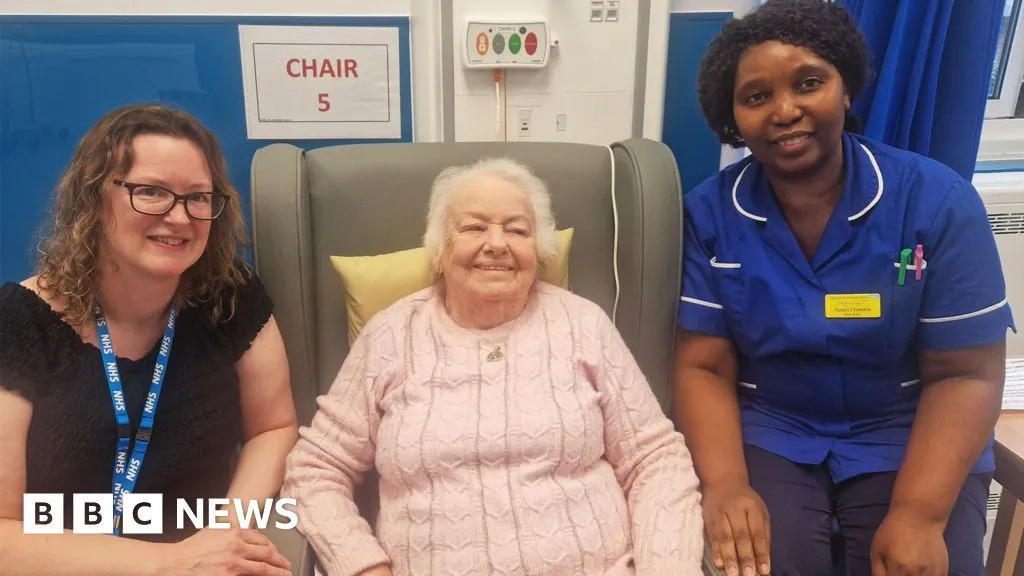
Shirley Xerxes, an 86-year-old patient from St Albans, Hertfordshire, was among the first to receive the new injection at the Mount Vernon Cancer Centre. "I was in the chair for a matter of minutes instead of an hour or more," she expressed, highlighting the profound impact the expedited treatment has had on her daily life including more time for gardening. "It’s made such a difference and gives me more time to live my life."
Streamlined Treatment Protocol
Each year, approximately 14,000 patients in England begin treatment with Keytruda, known generically as pembrolizumab. The drug is effective against 14 different cancer types, ranging from lung and breast cancer to head and neck malignancies. The new injectable version will be administered at intervals of either every three weeks as a one-minute injection or every six weeks over two minutes, depending on the patient’s specific diagnosis.
Enhancing Patient Experience
With this reform, NHS England anticipates a substantial reduction in the time patients spend in infusion units, allowing healthcare staff to allocate their attention to other critical patient care tasks. Professor Peter Johnson, NHS England’s national clinical director for cancer, stated, "Managing cancer treatment and regular hospital visits can be really exhausting. The quicker administration frees up space in our chemotherapy units and encourages us to explore treatment options in community settings away from hospitals."
The transition to an injectable format marks a significant milestone as Keytruda joins the ranks of other immunotherapy drugs like Opdivo, which was introduced in injectable form last year.
The Science Behind Immunotherapy
Immunotherapy represents a revolutionary advancement in cancer treatment by enabling the body’s immune system to effectively combat cancer cells. It works by blocking specific signals that allow cancer to evade immune detection, likened by some scientists to removing an "invisibility cloak." This notable discovery, recognized with the Nobel Prize in Medicine in 2018, has paved the way for the widespread application of Keytruda, which has become the world’s best-selling prescription drug, with global sales reaching $30 billion in 2025.
Looking Ahead
While the NHS has not disclosed the financial details tied to its agreement with Merck Sharp & Dohme (MSD), it is believed to be negotiating at a price point similar for both forms of the drug. Critics, including U.S. Senator Elizabeth Warren, have raised concerns about MSD’s strategy in introducing new formulations to extend patent protections and maintain market dominance. Nevertheless, MSD asserts that the new injectable format provides notable benefits for healthcare facilities by enhancing efficiency and potentially alleviating pressure on NHS resources.
As the patents on the original Keytruda formulation are set to expire between 2028 and 2031, discussions around generics and the future of cancer treatment accessibility are expected to gain momentum.
Source: BBC News
Source: BBC News - Health