A troubling development has emerged as a Canadian passenger from the MV Hondius, which recently experienced a hantavirus outbreak, has tested positive for the disease. The patient is currently one of four individuals isolating on Vancouver Island after returning from the now-infamous cruise.
Officials from British Columbia confirmed that the individual, along with three others, displayed mild symptoms upon their isolation. The region's chief health officer, Dr. Bonnie Henry, emphasized that these individuals have had no contacts with the public since their arrival, ensuring the safety of the broader community.
Dr. Henry stated that the latest case elevates the total number of infections linked to the cruise to 11, noting that three passengers died, with two of the fatalities confirmed to have contracted hantavirus.
Understanding Hantavirus
In a statement reported by national broadcaster CBC, Dr. Henry addressed the nuances of hantavirus, clarifying, "This is not what we hoped for, but it is what we planned for. I want to emphasize that hantavirus is a very different virus than other respiratory illnesses such as COVID-19, influenza, or measles, and remains one we do not consider to have pandemic potential."
Out of the six Canadians aboard the Dutch ship, two others are self-isolating at their homes in Ontario. Meanwhile, two couples, including the confirmed positive case from Yukon, are currently in isolation on Vancouver Island.
Cruise Ship's Journey and Current Situation
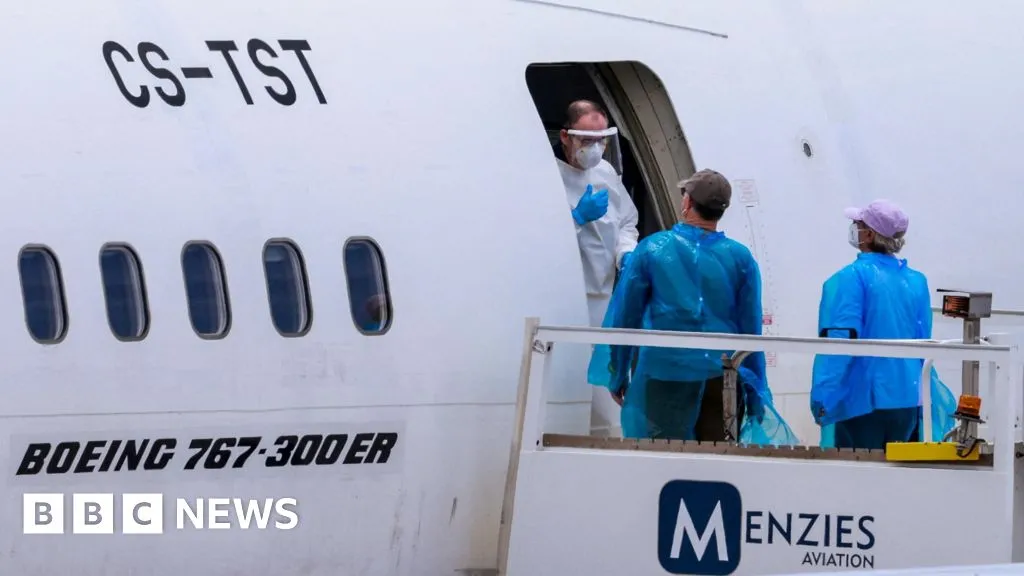
The MV Hondius, which set sail from Argentina on April 1, recently docked in Tenerife, Spain, allowing passengers to disembark and isolate following tragic circumstances. The ship is scheduled to arrive in Rotterdam, Netherlands, on Monday, and the operator, Oceanwide Expeditions, has reported no symptomatic crew members remaining on board.
Health authorities have advised a 42-day isolation period for each individual exposed, although this timeline initially set at 21 days may be subject to revision. Hantaviruses are primarily carried by rodents, and experts believe that the Andes strain, responsible for the infection among some cruise passengers, may have originated in South America.
Typical symptoms of hantavirus can include fever, extreme fatigue, muscle aches, abdominal discomfort, stomach issues, and respiratory distress. Nonetheless, officials stress that the risk of a significant outbreak remains very low, as they closely monitor the health status of all affected individuals.
For ongoing updates on this situation, Health Canada continues to work in collaboration with provincial authorities to ensure public safety and mitigate health risks.
Source: BBC News - Health