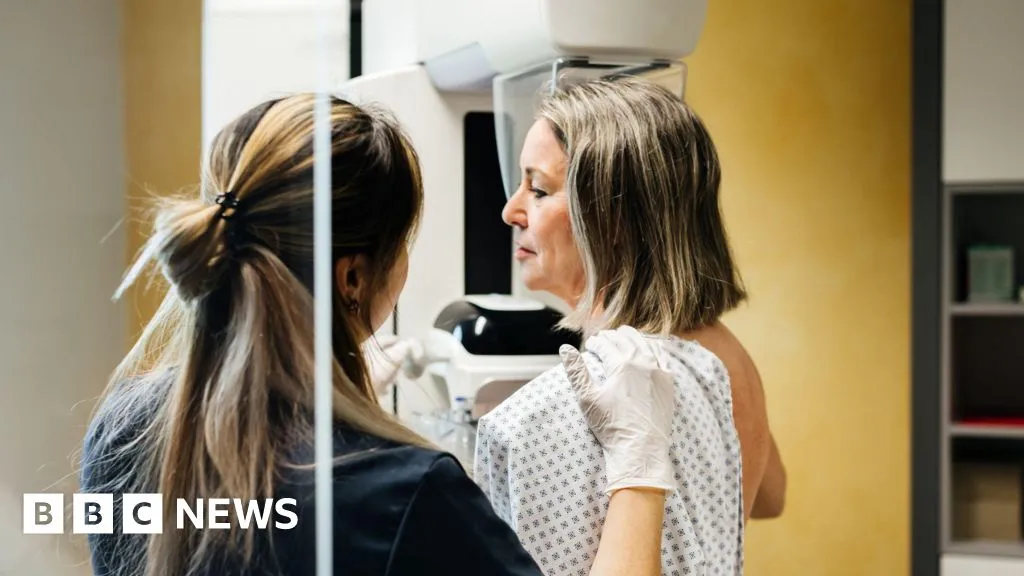
In a groundbreaking advance for breast cancer treatment, a new DNA test could exempt millions of patients from the rigors of chemotherapy, according to results from a major international study. The research, spearheaded by University College London (UCL), unveils a method to discern which patients will benefit from chemotherapy and which can effectively manage their cancer with hormone therapy alone.
The trial, which included over 4,000 newly diagnosed women aged 40 and older from multiple countries—including the UK, Norway, Sweden, Australia, New Zealand, and Thailand—found that approximately two-thirds of participants could bypass chemotherapy entirely. This revelation comes as chemotherapy is often associated with severe side effects, including fatigue, nausea, hair loss, and long-term fertility issues.
The Prosigna gene test, used in the study, evaluates the activity of 50 genes linked to breast cancer proliferation to assess a patient's likelihood of recurrence. Patients receiving a low-risk score from the test demonstrated a five-year survival rate of 93.7%, only slightly less than the 94.9% survival rate for those who underwent chemotherapy.
Typically, the initial treatment phase for breast cancer involves surgical tumor removal, with chemotherapy recommended as an adjunct to mitigate recurrence risks. However, clinicians are increasingly questioning the necessity of chemotherapy in patients diagnosed with the most prevalent forms of the disease.
The implications of this research could lead to over 5,000 NHS patients annually being spared the often grueling experience of chemotherapy, as affirmed by UCL.
Among those positively impacted by this trial is Karen Bonham of Cardiff, who expressed overwhelming relief at avoiding chemotherapy, opting instead for radiotherapy and hormone therapy over the past eight years. "Cancer diagnosis and treatment can be shocking," she remarked. "It certainly propels you into a world of uncertainty. Life priorities realign—you simply want to survive."
Professor David Miles, a notable oncologist, touted the findings as "practice-changing" and emphasized their potential to redefine treatment approaches. "We can now confidently predict that many patients will see no benefit from chemotherapy, thereby liberating them from the associated unpleasantness," he stated during a discussion on BBC’s Newshour.
As the scientific community prepares to showcase these findings at the prestigious American Society of Clinical Oncology’s annual meeting in Chicago, advocates like Tanya Hutson, a breast cancer survivor who underwent chemotherapy, hailed the DNA test as "absolutely amazing." She noted, "It proves what happens when funding is allocated to research. For all those who don’t need chemotherapy but are undergoing it, this is an absolute game-changer."
The study's findings have yet to be assessed for their applicability to individuals under 40, as researchers continue to explore this facet of breast cancer treatment.
Source: BBC News
Source: BBC News - Health