A breakthrough in ovarian cancer treatment has arrived, as the NHS announces the availability of mirvetuximab soravtansine, a drug that not only extends patient survival but significantly enhances quality of life. Dubbed a "biological missile," this innovative therapy targets cancer cells while sparing healthy tissue, leading to fewer debilitating side effects and a remarkable improvement in the overall well-being of patients.
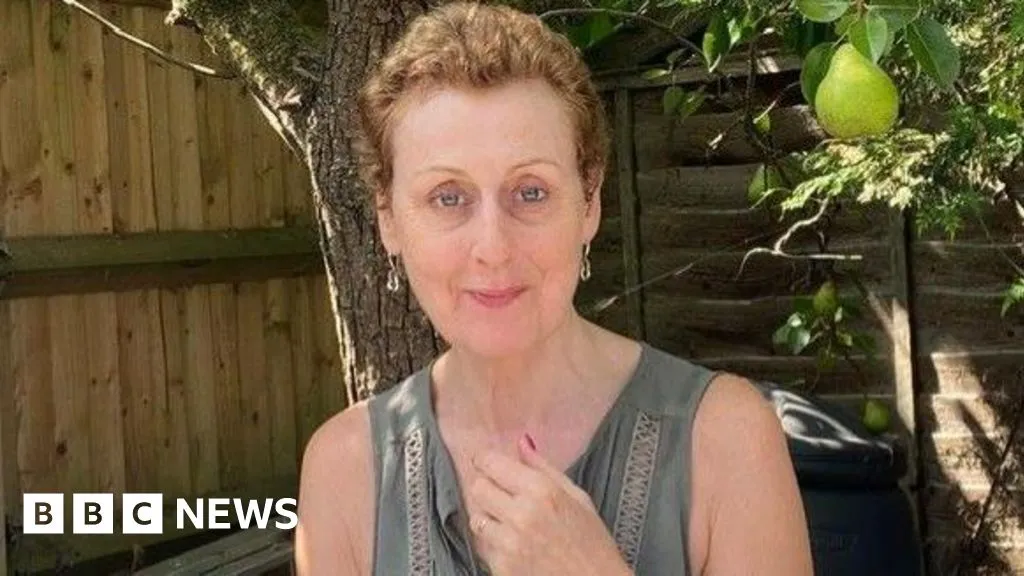
Patricia Hill, 64, a north London resident and ovarian cancer patient, exemplifies the transformative potential of this new treatment. Since commencing the therapy in January, Hill describes a newfound vitality that has allowed her to embrace life’s joys, from visiting family to enjoying London's vibrant theatre scene. "The difference is like night and day," she remarked, expressing gratitude for getting "a lot of my life back." With mirvetuximab soravtansine, women like Patricia are experiencing not only a longer life expectancy—reported to extend from 12.8 months with traditional chemotherapy to an impressive 16.5 months—but also a remarkable improvement in their everyday lives.
The drug works by utilizing an advanced form of chemotherapy that delivers a potent dose directly to cancerous cells through antibodies designed to latch onto specific markers present on certain ovarian cancer cells. This targeted approach reduces the rigorous side effects typically associated with conventional chemotherapy, allowing patients to maintain their hair and reducing fatigue.
As the first new treatment for difficult-to-treat ovarian cancer in two decades, mirvetuximab soravtansine holds the potential for up to 400 patients annually in England. With nearly 7,750 new cases of ovarian cancer diagnosed each year in the UK, the implications of this innovation are monumental.
Jenny Green, 71, diagnosed in 2017, was one of the first patients to participate in the clinical trials for mirvetuximab. She reported astounding results: "I seem to have tolerated it very well, with hardly any side effects at all. A recent scan showed my cancer nodules were shrinking, and my blood levels are back to normal." The successful outcomes of such trials have led the National Institute for Health and Care Excellence (NICE) to approve the drug for use in ovarian, peritoneal, and fallopian tube cancers when conventional treatments have failed.
Dr. Rowan Miller, who managed the clinical trials at UCLH, expressed palpable excitement regarding the impact of this drug: "Finally, there’s a treatment that improves survival for this group of patients. They find it easier to manage compared to standard chemotherapy," she stated.
Prof. Ruth Plummer, NHS's national clinical lead for cancer drugs, hailed the approval of mirvetuximab as "the most significant breakthrough" in this field in over 20 years, expressing her delight at its availability on the NHS. Victoria Clare, CEO of Ovacome, the UK's ovarian cancer support charity, echoed this sentiment, acknowledging the profound difference this drug could make for those who can access it.
Developed by the pharmaceutical company AbbVie, mirvetuximab soravtansine represents a pivotal advancement in the ongoing battle against ovarian cancer, providing new hope to patients facing a once grim prognosis.
Source: BBC News
Source: BBC News - Health