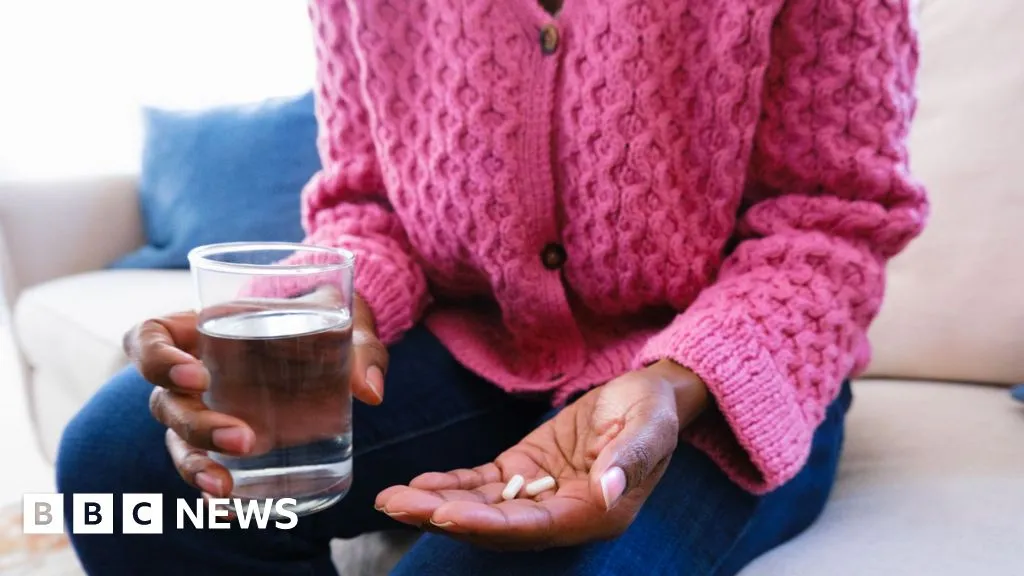
New research has unveiled a troubling trend: a majority of women may be opting for less effective pain relief for menstrual cramps, with significant implications for health management. A comprehensive analysis of supermarket transaction data indicates that paracetamol, while widely recognized, is not necessarily the optimal choice for alleviating period pain.
The study, which examined nearly 211 million purchases over nearly a decade from a leading high street retailer in England, found that paracetamol was frequently purchased in tandem with menstrual products like tampons and sanitary towels. However, medical experts are advocating for a reevaluation of this common practice, pointing to ibuprofen's superior efficacy against muscle cramps.
Understanding Period Pain Relief Choices
This extensive review revealed significant insights into consumer behavior regarding pain management for menstrual discomfort. Approximately half of transactions involving menstrual products also included a pain relief item, with two-thirds of those consisting of paracetamol. This raises questions about the effectiveness of the choices being made by women enduring period pain.
Dr. Anya Skatova from Bristol University notes that while the shopping data serves as a crucial snapshot of purchasing behaviors, it hints at possible misinformed choices where period pain relief is concerned. “Paracetamol, while familiar and effective for headaches, does not address the underlying biological mechanisms of menstrual cramps as adeptly as ibuprofen,” she explained.
[h2]The Mechanics of Pain Relief[/h2>
Menstrual cramps occur during the shedding of the uterine lining and are exacerbated by chemicals known as prostaglandins, which are linked to heightened pain. Ibuprofen, categorized as a non-steroidal anti-inflammatory drug (NSAID), not only eases pain but also reduces inflammation by lowering prostaglandin levels.
According to research co-author Professor James Goulding from Nottingham University, there exists a glaring gap in public awareness about menstrual pain management. “If men experienced menstrual pain, it stands to reason we would have more comprehensive research and understanding by now,” he said.
The charity Endometriosis UK recommends that ibuprofen be taken several days prior to menstruation for optimal effect, suggesting proactive management for those prone to severe discomfort.
Healthcare professionals advise that women experiencing debilitating cramps should consult their doctors, as this may indicate underlying health issues such as endometriosis or uterine fibroids. It is crucial for individuals to be aware of the potential side effects of any medication and to refer to product information before use.
This emerging study not only sheds light on purchasing habits but also emphasizes the necessity for improved education and awareness regarding effective treatments for menstrual pain relief. As more women seek better management of their health, this information could be pivotal in changing outdated shopping habits.
Source: BBC News
Source: BBC News - Health