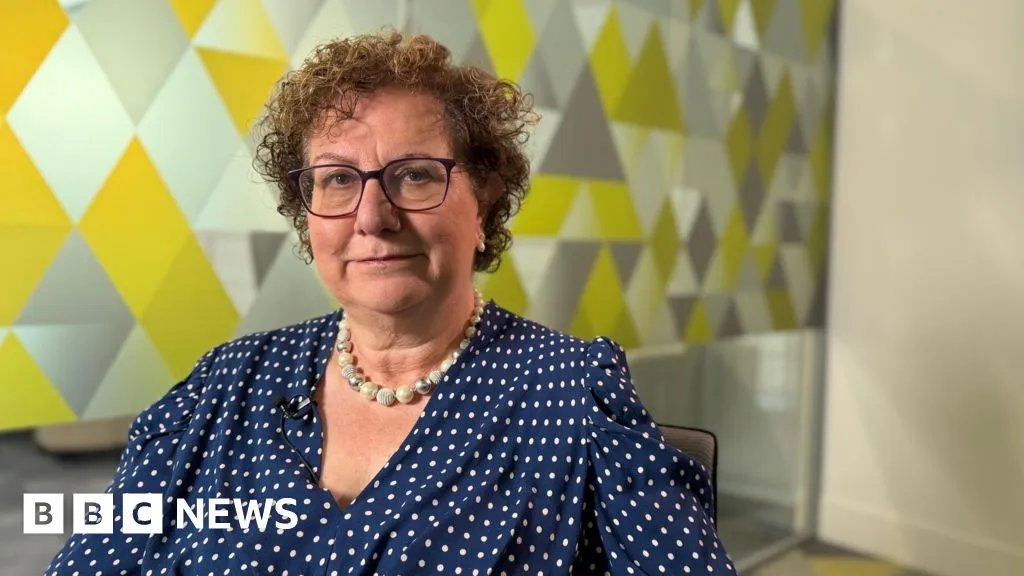
In a fervent defense of a forthcoming clinical trial, Dr. Hilary Cass asserts that the potential harm to children questioning their gender identity far outweighs the risks of conducting the study. The author of a pivotal review on gender medicine emphasized the necessity of the trial to explore the effects of puberty blockers, a contentious hormonal treatment designed to delay the onset of puberty.
"I am absolutely convinced that more children will be harmed if we don't do the trial than if we do," Dr. Cass told the BBC, addressing increasing concerns from campaigners and politicians who question the ethics and safety of recruiting minors as young as 11. The trial, officially called the Pathways clinical trial, aims to provide much-needed clinical evidence regarding the safety and efficacy of these drugs, which have been a point of heated debate in the past year.
Conducted by researchers at Kings College London, the trial sets a minimum age for participation while reinforcing safeguards for young participants amid a backdrop of heightened scrutiny. Following Dr. Cass’s review in 2024, which criticized the lack of robust evidence for puberty blockers, the UK government imposed an indefinite ban on their prescription for individuals under 18. However, Dr. Cass argues that without structured trials, young people may resort to unregulated and potentially harmful alternatives.
"Today we have young people turning up in the clinics on testosterone at 11, which we know is irreversible," stated Dr. Cass. She believes that offering puberty blockers first could allow for therapeutic interventions that may lead to alternative solutions rather than a life reliant on medication.
The British Health Secretary, James Murray, echoed the importance of clear clinical guidance, stating in Parliament that future actions must be based on solid clinical evidence. "I have felt uncomfortable and uneasy about some of the challenges raised by this matter," he noted, emphasizing the need for rigorous safeguards to protect the health and rights of young participants involved in the trial.
Despite the trial's announcement last November, it faced delays due to proposed age restrictions that sparked legal concerns. Following discussions, the trial criteria now stipulate that birth-registered females aged 11 and birth-registered males aged 12 can enroll, with recruitment expected to commence in August, pending ongoing legal challenges.
Critics such as the Bayswater Support Group argue that the trial poses ethical dilemmas, claiming that minors may lack the capacity for informed consent, especially regarding irreversible impacts on future fertility. Meanwhile, calls to reinstate clinical access to puberty blockers for gender questioning youth continue, with advocates stressing that timely and comprehensive care should be offered based on informed consent rather than a reactionary moral stance.
Dr. Cass concludes that robust clinical trials are essential for ensuring that vulnerable youth receive appropriate care, marking an effort to rectify what she describes as longstanding shortcomings in NHS services for this demographic.
Source: BBC News - Health